How I find the best flight deals
Flights are usually the most expensive part of a trip, and they’re also the part that causes the most stress. Prices change constantly, advice online is overwhelming, and it can feel like everyone else knows a secret you missed.
The truth is, I don’t use one magic trick to find flight deals. I use a repeatable system. It’s flexible enough for real-life schedules, works for both domestic and international trips, and doesn’t require checking prices ten times a day.
This is the exact process I use before every trip.
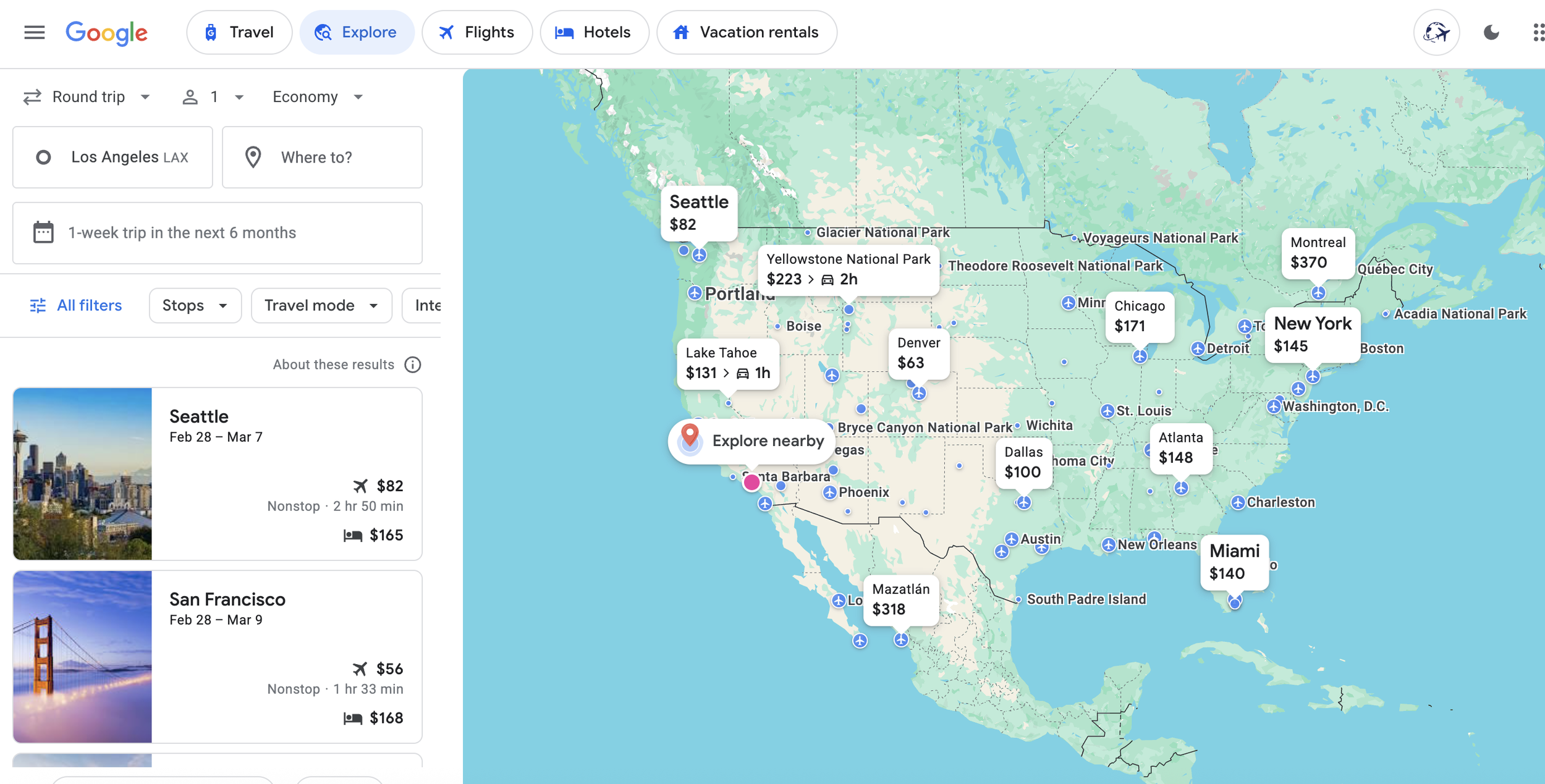
Google Flights
Everyone and their mother knows about Google Flights at this point and If I’m looking for specific dates, I open Google Flights. Not to book immediately, but to understand the landscape.
Here’s how I use it:
I search my route with flexible dates
I toggle the calendar view to see the cheapest departure days
I look at the price graph to spot trends
If I’m early in planning, I use the Explore feature to compare destinations
Google Flights is best for visibility. It shows you what’s normal for a route, which is important because you can’t recognize a good deal if you don’t know the baseline.
I almost never book the first price I see unless it’s unusually low. But I always turn on Price Tracking after buying a ticket. That ways, I can cancel and refund for the difference.
Price tracking with google flights
Once I find a flight or route I like, I turn on price tracking in Google Flights.
This is one of the most underrated steps.
Instead of manually rechecking prices, Google emails you when fares change. Sometimes prices drop slowly. Sometimes they dip suddenly for a day or two. Either way, alerts remove the emotional guessing game.
A few things I’ve learned:
Prices often fluctuate midweek. People
Small drops add up, especially on long-haul flights. I’ve watched a flight once go from $700 to $450 over 5 days.
If a price drops and then jumps back up quickly, that’s usually your sign to book
This alone has saved me hundreds of dollars over the years.
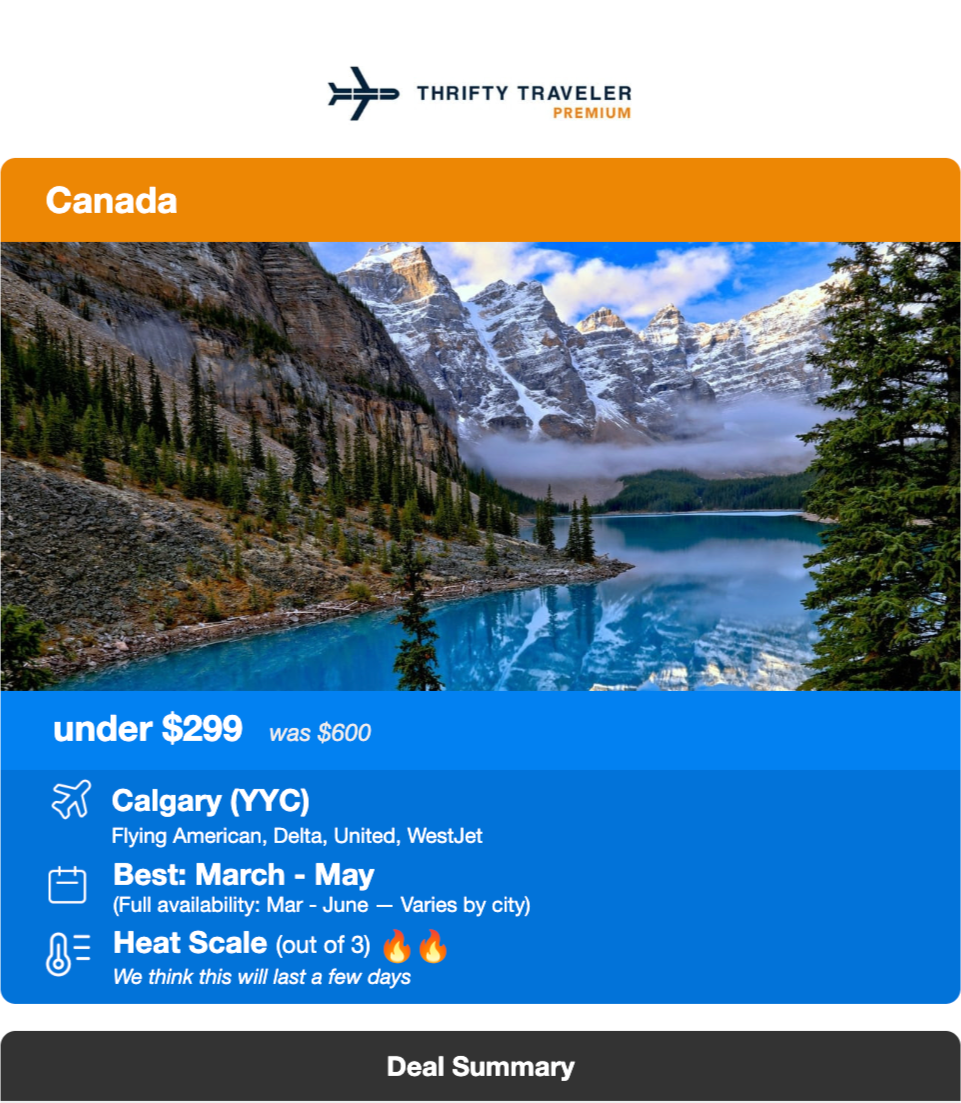
Use Flight Alert Programs
In addition to Google Flights, I also use flight deal alert services. These are especially helpful for international travel and long-haul routes.
Some popular options include:
Thrifty Traveler
Going (formerly Scott’s Cheap Flights)
FareDrop
All of them work similarly: you choose your home airport(s), and they notify you when a good deal pops up.
Personally, Thrifty Traveler is my favorite. I find their alerts easy to understand, well-timed, and realistic for actual travelers with jobs and limited PTO. They’re also good at flagging deals that are genuinely worth booking, not just “cheap but miserable.”
Thanks to Thrifty Traveler I have actually saved THOUSANDS of dollars thanks to their deal alerts. I have a referral link here for $20 off your first year!

Points & miles (Especially for Business Class)
You don’t need to be deep into points and miles to benefit from them.
Even basic points strategies can unlock:
Business class seats for a fraction of the cash price
Flights that would otherwise be out of budget
Better long-haul comfort without paying luxury prices
I won’t go into full points strategy here (that deserves its own post), but this is how points fit into my flight booking process:
I still use Google Flights to understand cash prices
If business class is outrageously expensive, I check points options
Sometimes the best “deal” isn’t the cheapest economy ticket, but a points redemption that makes a long flight significantly more comfortable
Points don’t replace deal hunting, they expand your options. Especially for international travel.
What a “Good Deal” Really Means
There isn’t a magic formula for finding the perfect flight deal.
Prices change constantly, advice online is conflicting, and someone will always claim they paid less. But the truth is, a good deal isn’t universal. It’s personal.
If a flight works for your schedule, fits your budget, and doesn’t drain your energy before the trip even starts, it’s a good deal.
Flexibility helps, but only where it matters. Being open to flying midweek, adjusting your departure by a day, or letting a flight deal guide the destination can unlock huge savings. At the same time, flexibility should not mean sacrificing comfort, sanity, or enjoyment just to chase the lowest possible price.
Some of the best trips I’ve taken happened because I booked the flight first and built the destination around it. Others were destination-first because that’s what made sense at the time. Both approaches are valid.
What matters most is using the right tools, understanding your own priorities, and trusting your decision once you book.