What I Wish I Knew Before Visiting Cusco
When I booked my trip to Cusco, I knew it would be beautiful. I expected cobblestone streets, incredible food, and easy access to Machu Picchu. What I didn’t fully understand was how intense the altitude would feel, how much walking I’d do every day, or how quickly coffee shops would become my survival strategy.
Cusco ended up being one of my favorite cities I’ve visited, but there were definitely a few things I wish I knew beforehand. So if you’re planning a trip, especially as a solo traveler, here’s what I wish I knew before visiting Cusco, Peru.
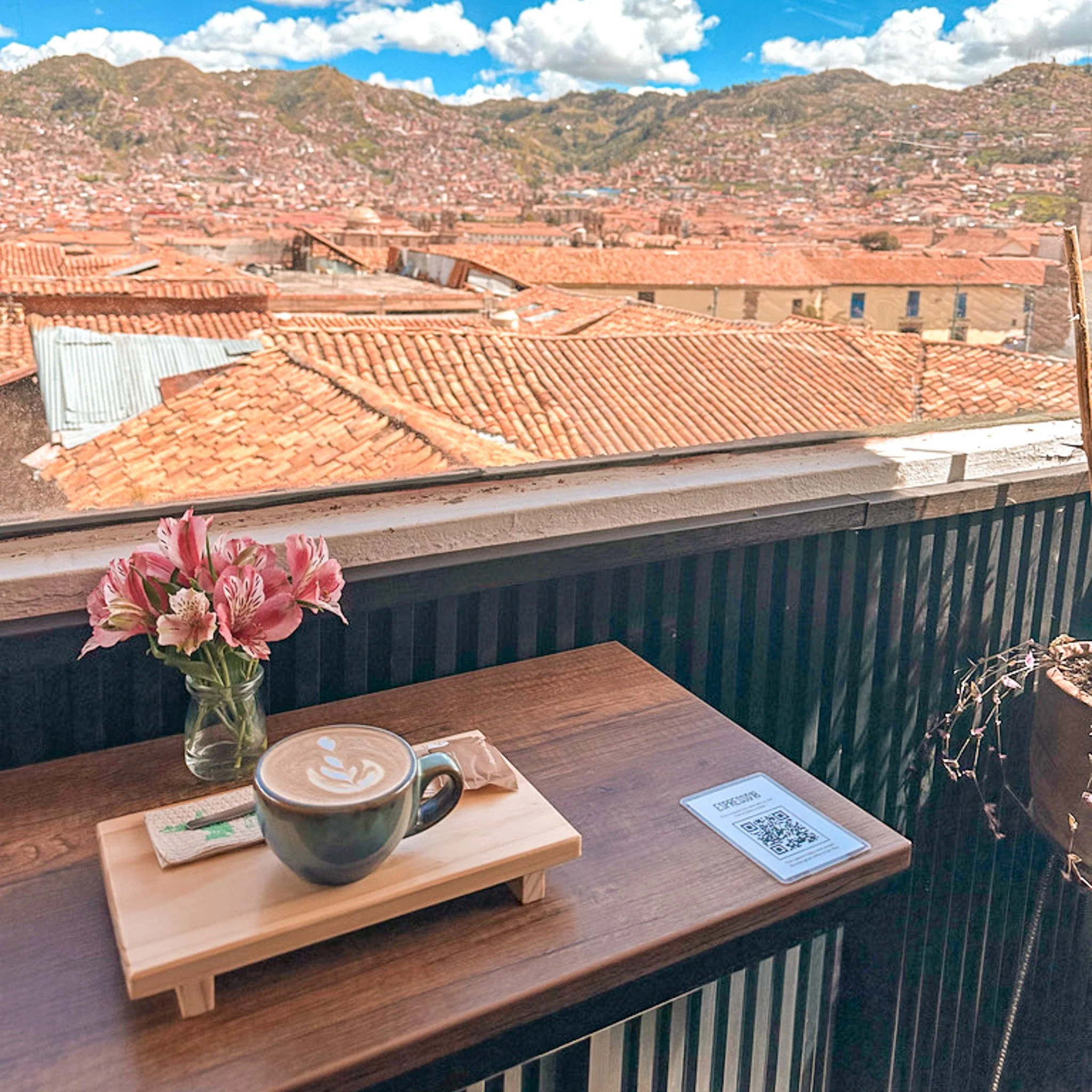
The Altitude Is No Joke
Everyone talks about the altitude in Cusco, but I still underestimated it.
Even just walking uphill had me questioning my fitness level within the first few hours. Cusco sits at over 11,000 feet above sea level, and you feel it almost immediately. Simple things like climbing stairs or walking through San Blas suddenly become workouts.
The biggest mistake you can make is planning too much for your first day. Give yourself time to adjust, drink water constantly, and accept that you may move slower than usual for a day or two. Also, talk t your doctor about getting a prescription for altitude medication, like Diamox. I was able to get a prescription and I was better off than a lot of people in my group.
Also, the hills? Brutal. Beautiful, but brutal.
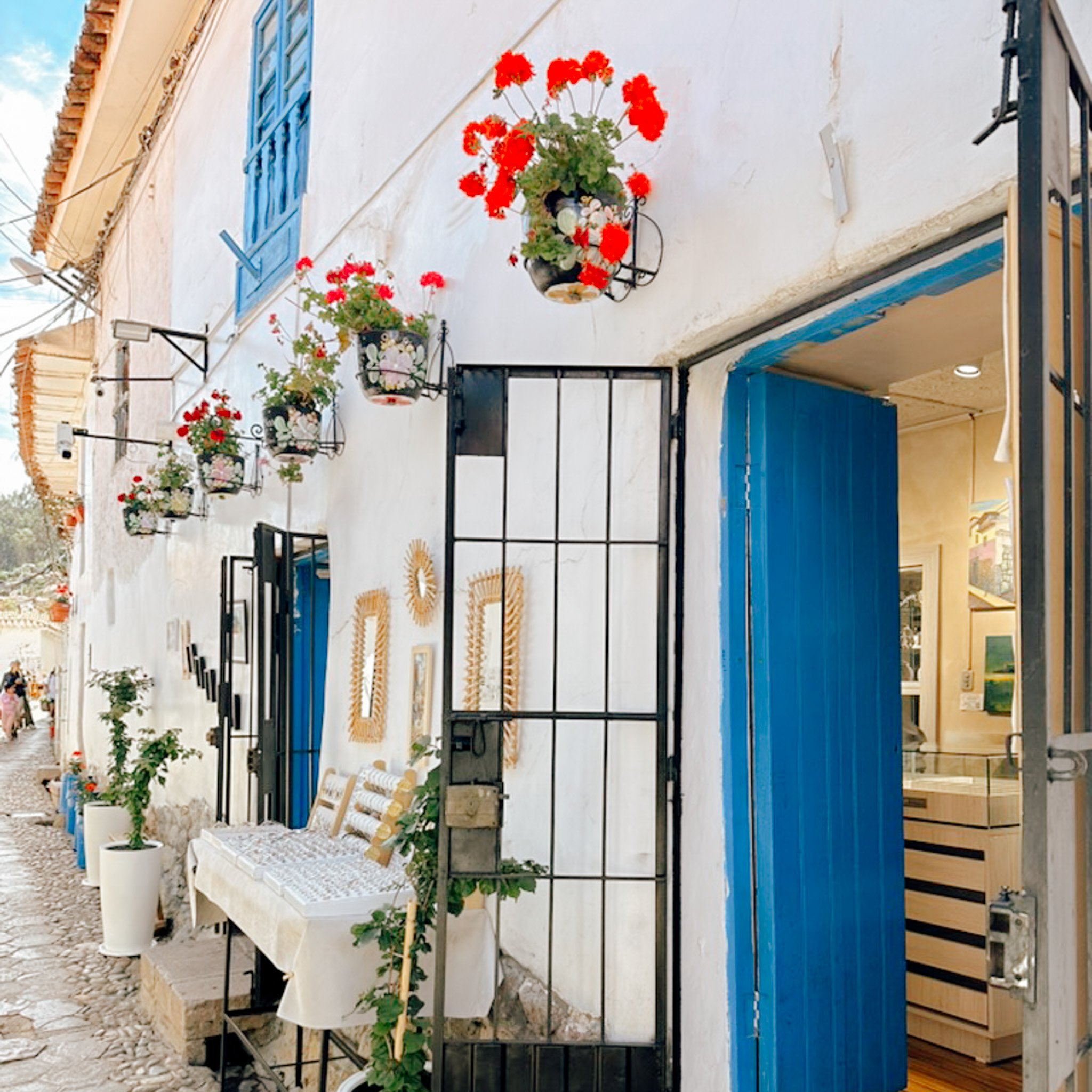
Cusco Feels Smaller Than It Looks
On a map, Cusco doesn’t seem that large. In reality, you’ll probably walk far more than expected.
Part of that is because the city is so walkable, but another part is because wandering around is half the experience. You’ll turn a corner and suddenly find tiny cafés, hidden courtyards, rooftop restaurants, or small artisan shops you weren’t planning to visit.
That said, those charming cobblestone streets can get exhausting quickly at altitude. Good walking shoes are absolutely necessary.
Your calves will understand by day two.
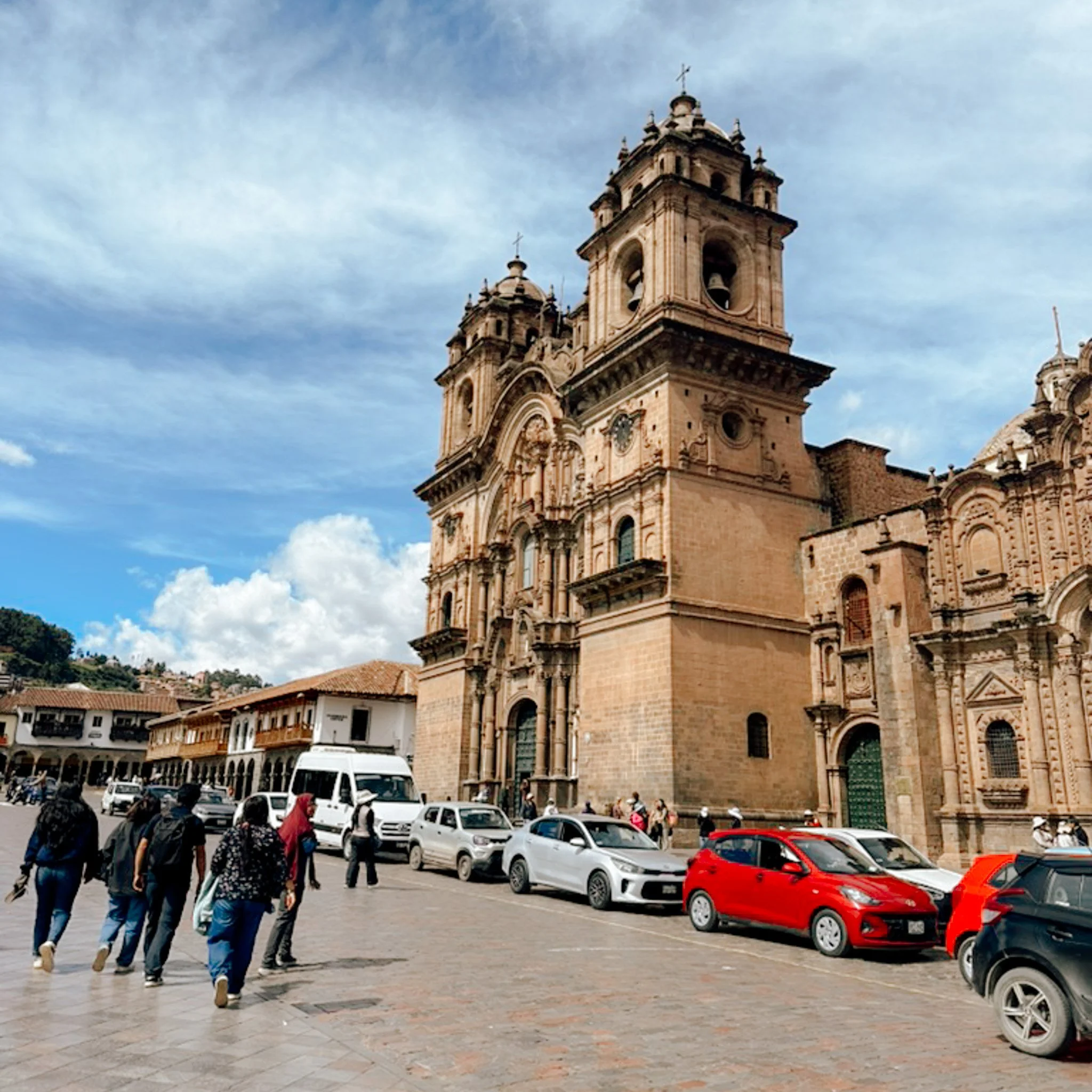
Solo Travel in Cusco Felt Easier Than I Expected
As a solo female traveler, Cusco felt relatively easy to navigate.
There are so many tourists, backpackers, digital nomads, and other solo travelers that you never really feel out of place eating alone or exploring by yourself. I also found people generally helpful and patient, even with language barriers.
Of course, basic solo travel awareness still applies, especially at night or in crowded areas, but overall Cusco felt far less intimidating than I expected.
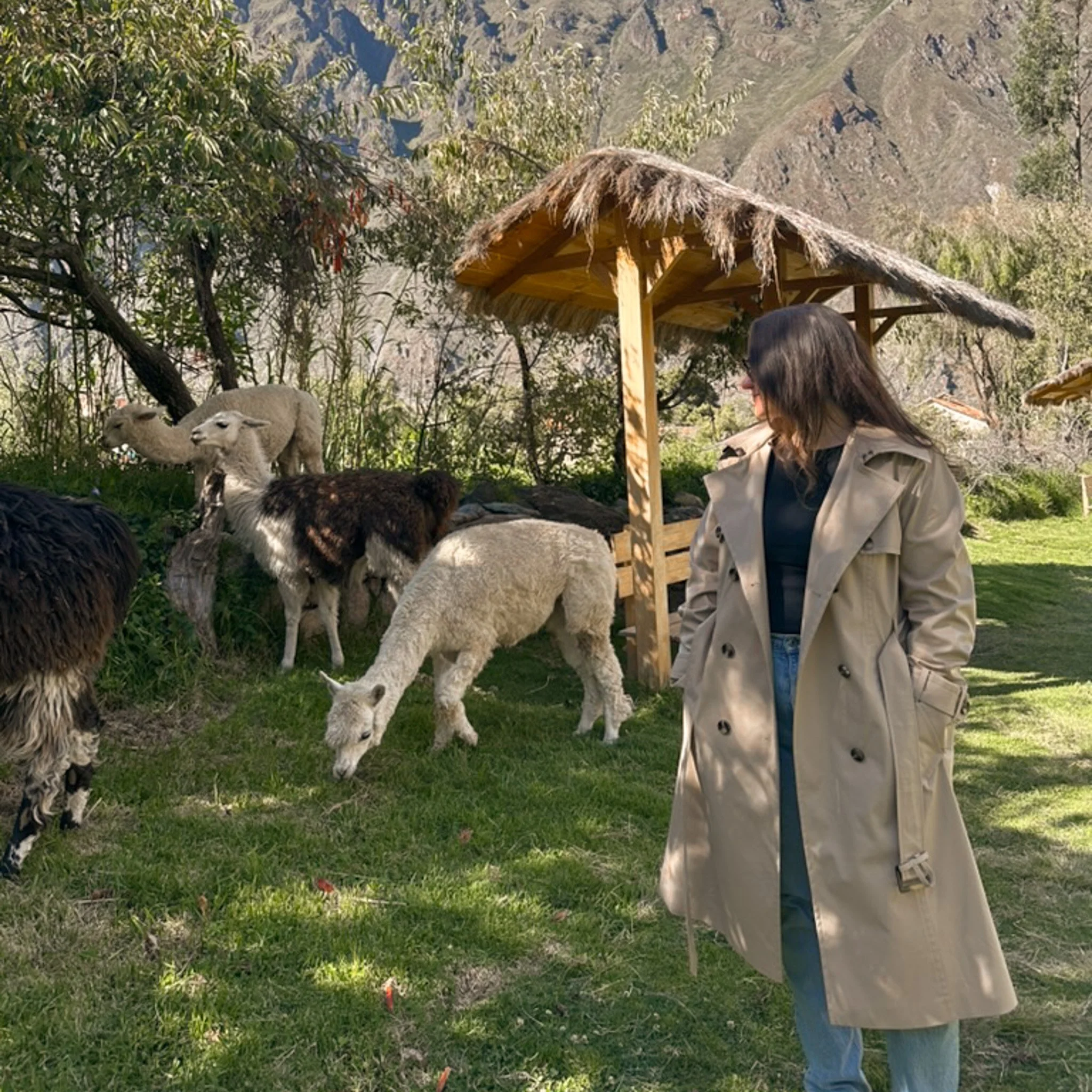
You Don’t Need to speak Spanish. But It Helps.
Cusco is very accustomed to international travelers, so many people working in cafés, restaurants, hotels, and tours spoke at least some English. I was usually able to order food, ask questions, and navigate daily interactions without major issues.
That said, knowing basic Spanish phrases makes a huge difference and is appreciated. Even simple things like:
hola (hello)
gracias (thank you)
la cuenta, por favor (the check, please)
¿cuánto cuesta? (how much does it cost?)
go a long way.
There were definitely moments where translation apps helped, especially in smaller shops or less touristy areas, but I never felt completely stuck because of the language barrier.
Final Thoughts
Cusco was both exciting and exhausting in the best possible way. Between the altitude, the hills, the café culture, and the energy of the city, it’s a place that sticks with you long after you leave.
Would I do some things differently now that I know what to expect? Definitely.
But I’d still gladly walk those hills again for another flat white and another wandering afternoon in Cusco.